
If you’ve searched “droven io cybersecurity updates,” you’ve probably noticed that most results say a lot without telling you much. Droven.io is an information platform — not a security vendor — that publishes plain-language explainers on cybersecurity, cloud computing, AI, and DevOps topics. Its cybersecurity content leans on established third-party frameworks (NIST, CISA, OWASP, and IBM Security data) rather than original research, and there’s no visible byline, audit trail, or publication history that would let you verify its claims independently. That’s the honest starting point, and it’s worth knowing before you treat anything on the site as authoritative.
Quick facts
| What it is | Educational content platform, not a security product |
| Sourcing model | Aggregates named third-party frameworks and reports |
| Original research | None found publicly |
| Byline / authorship | Not disclosed |
| Independent audit | None found |
| Best suited for | Beginners, small business owners, career-switchers |
| Not a substitute for | Primary sources (CISA, NIST), industry-specific compliance guidance, a real security assessment |
Keep that table in mind as you read the rest of this guide — it’s the context every other claim about Droven.io should be filtered through.
What is Droven.io, and what do its cybersecurity updates cover?
Droven.io positions itself as a technology knowledge hub. Its stated goal is to translate dense security research into guidance that a non-technical reader can act on — the kind of person running a small business, learning the field, or just trying to avoid clicking the wrong link. It doesn’t sell software, and it doesn’t claim to run its own threat intelligence operation.
That distinction matters. A lot of the language you’ll see used around Droven.io — “AI-powered threat detection,” “predicts and neutralizes risks in real time” — sounds like marketing copy for a security product. But when you look for evidence of an actual platform, dashboard, or client base behind those claims, there isn’t much to find. The more accurate way to read Droven.io’s cybersecurity updates is as commentary and summary, built on top of publicly available frameworks, not as a description of a working security system.
For more background on the platform itself — including what it publishes outside of cybersecurity — see our full breakdown of what Droven.io is.
The four themes Droven.io’s cybersecurity content keeps returning to
Read enough of the content associated with Droven.io and a pattern shows up. It’s not comprehensive threat intelligence — it’s a rotating set of four themes, explained slightly differently each time.
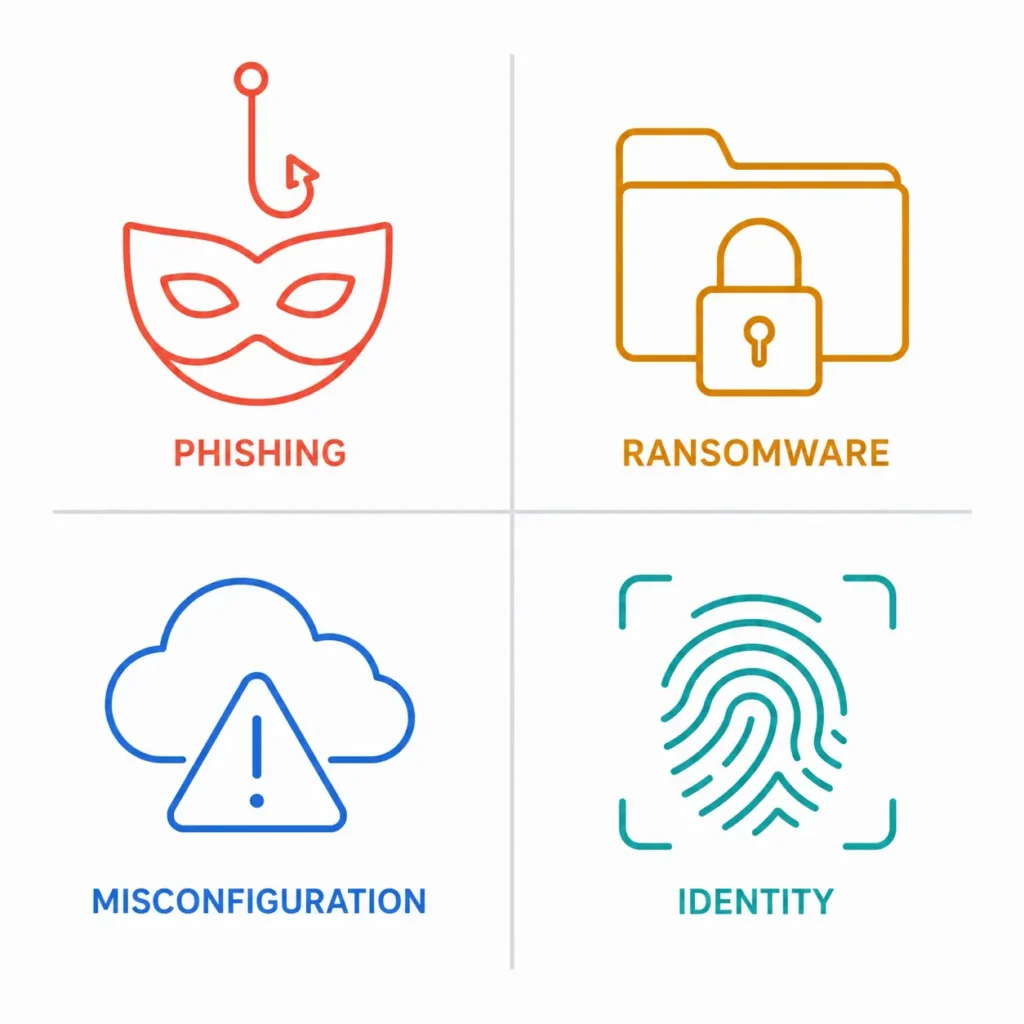
AI-driven phishing and deepfake fraud
The consistent claim is that generative AI has made phishing emails and impersonation attempts harder to spot, since attackers can now personalize messages using real names, job titles, and current events instead of generic templates.
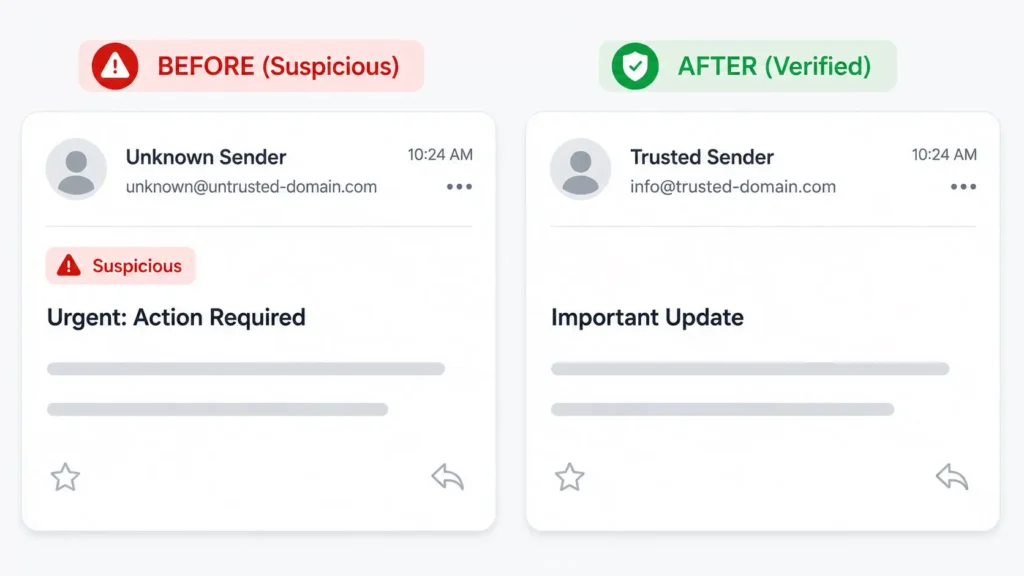
That’s a real, well-documented shift in the threat landscape — security researchers across the industry have flagged the same trend, and it lines up with reporting from sources like IBM’s annual security research. What Droven.io’s content doesn’t provide is anything specific to your organization: no sector-specific phishing patterns, no sample headers to inspect, no detection tooling comparison.
Ransomware and double extortion
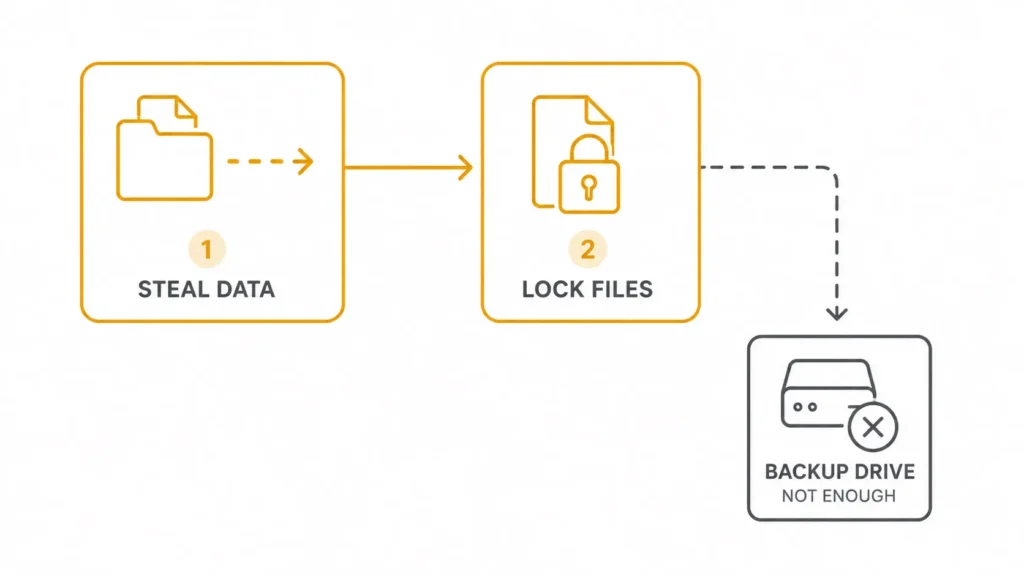
The updates describe a shift from simple file-locking ransomware to “double extortion,” where attackers steal data before encrypting it, so even a full backup restore doesn’t remove the threat of a leak. This matches the broader industry consensus, and it’s a genuinely useful thing for a small business owner to understand — it changes what “recovery” needs to mean. The gap is depth: there’s no walkthrough of what a real incident response timeline looks like, and no mention of specific ransomware families active in 2026.
Cloud misconfiguration
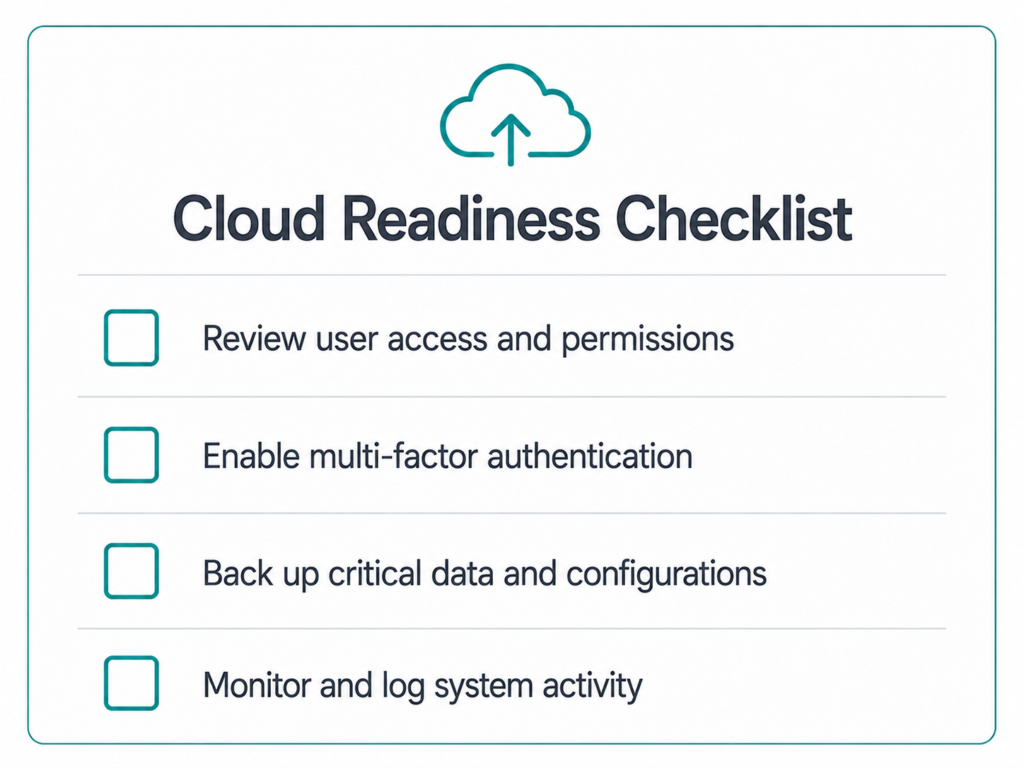
Droven.io’s content repeatedly names cloud misconfiguration as a leading cause of data exposure — again, consistent with what security researchers have found across multiple breach reports. But “check your configuration” without a checklist of what to check (public storage buckets, over-permissive IAM roles, unencrypted data at rest) is advice without an action.
Identity and zero trust
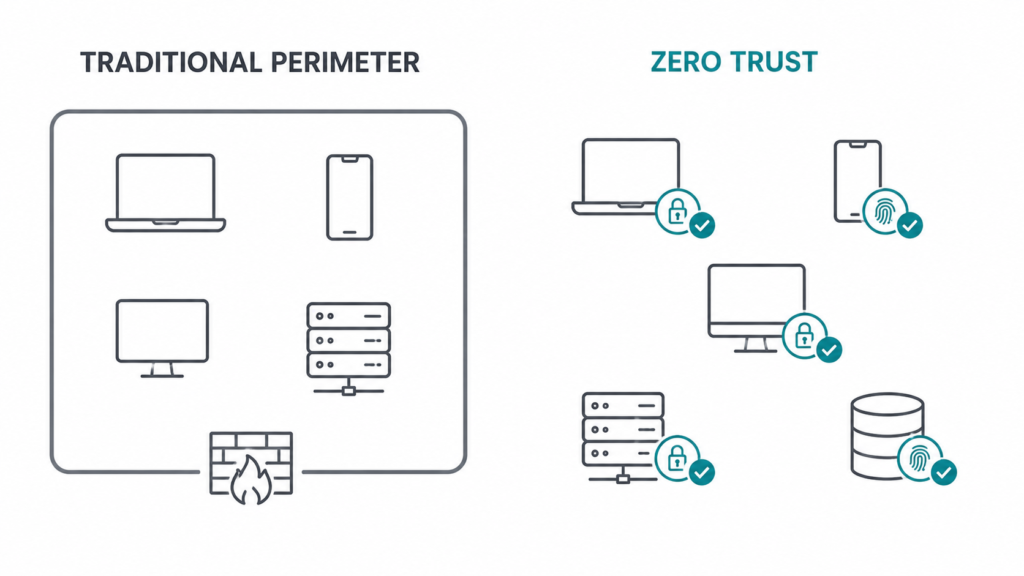
The fourth recurring theme is identity as the new perimeter — the idea that with workers and systems spread across cloud platforms, verifying who is accessing something matters more than where they’re accessing it from. This is a legitimate and widely cited shift in enterprise security thinking, though Droven.io’s version of it stays at the concept level rather than explaining how a business would actually implement multi-factor authentication or role-based access control.
Is following Droven.io’s cybersecurity updates worth it?
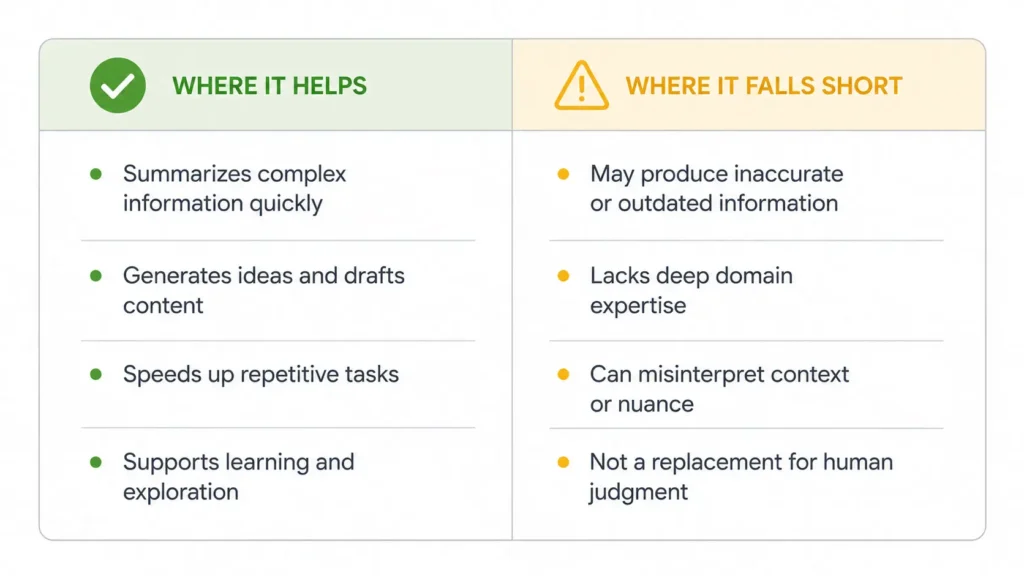
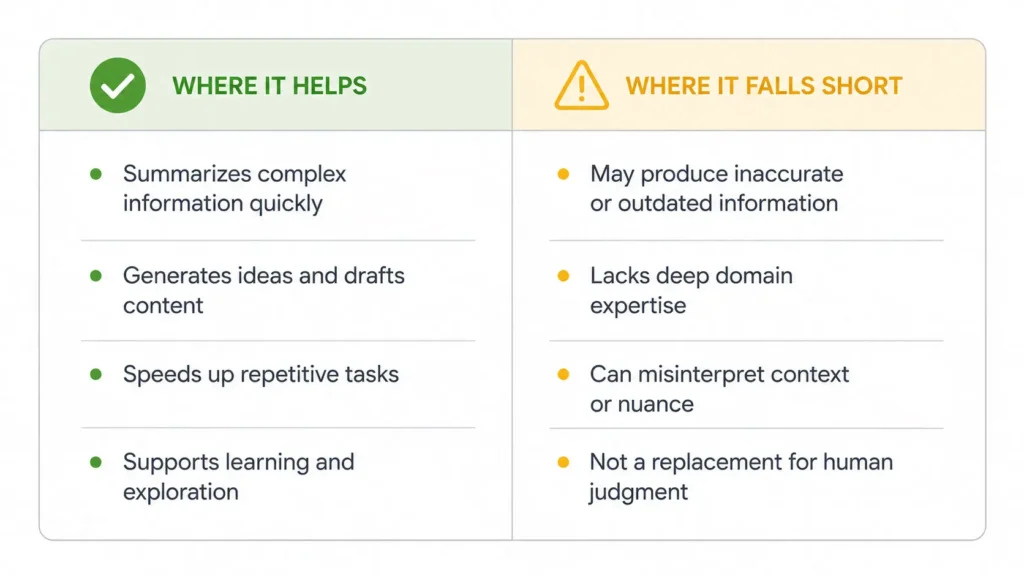
Where it helps:
- Translates dense reports and technical concepts into plain language
- Costs almost nothing in reading time to build baseline awareness
- References real, checkable frameworks (NIST, CISA, OWASP) rather than inventing terminology
- Reasonable starting point before pursuing something more structured, like a CompTIA Security+ course
Where it falls short:
- No named authors or bylines — there’s no way to evaluate who’s writing this or what their expertise is
- No independent audit or fact-checking process that’s publicly visible
- General-audience framing means it skips industry-specific requirements — a healthcare business dealing with HIPAA, or a retailer handling PCI-DSS data, won’t get anything tailored here
- Awareness content, by design, doesn’t change your actual security posture. Reading about phishing doesn’t configure your email filters.
If you’re a small business owner or someone new to the field looking for a first, low-effort pass at understanding the current threat landscape, Droven.io’s cybersecurity content can work as a starting point. If you need something you can act on — an actual configuration change, a compliance framework, or an incident response plan — you’ll need to go to the primary sources it’s drawing from, or to a qualified security professional.
How to verify a Droven.io claim yourself
This applies to any cybersecurity content you read online, including this article. A five-minute check separates useful information from something you shouldn’t repeat to your team.
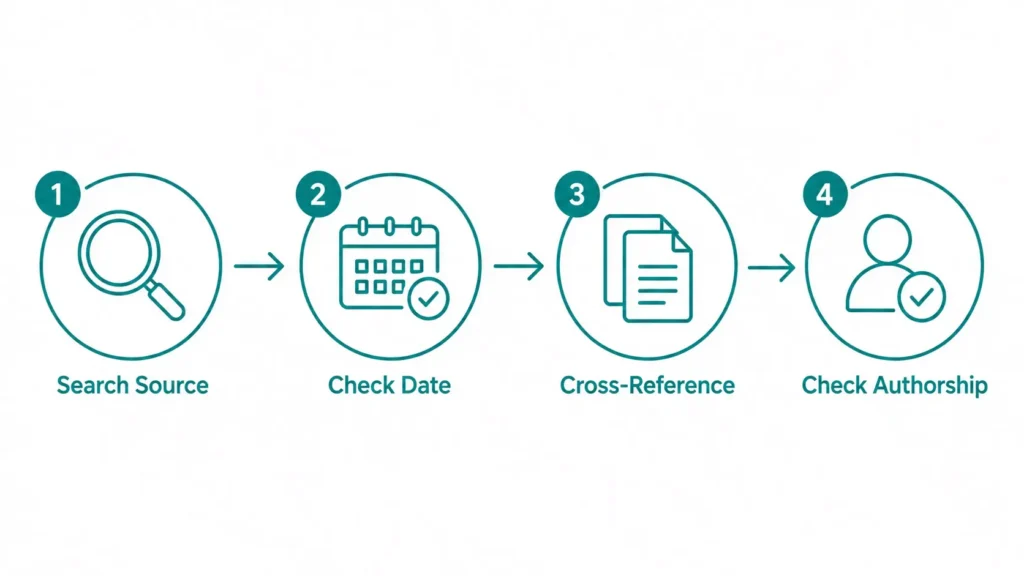
- Trace the number to its source. If a page cites something like an average breach cost or a percentage increase in attacks, search for the original report — IBM’s Cost of a Data Breach report and Verizon’s Data Breach Investigations Report are the two most commonly cited. If you can’t find the original figure, treat the claim as unverified.
- Check the date against the CVE feed. Cybersecurity content ages fast. A “current threat” from a year-old article may already be patched or superseded.
- Cross-reference with a second outlet. If only one site is making a claim and no established security publication is repeating it, be skeptical.
- Look for a named author or organization behind the claim. Anonymous, unsourced “reports show” language is a red flag regardless of which site it appears on.
What people get wrong about Droven.io’s cybersecurity content
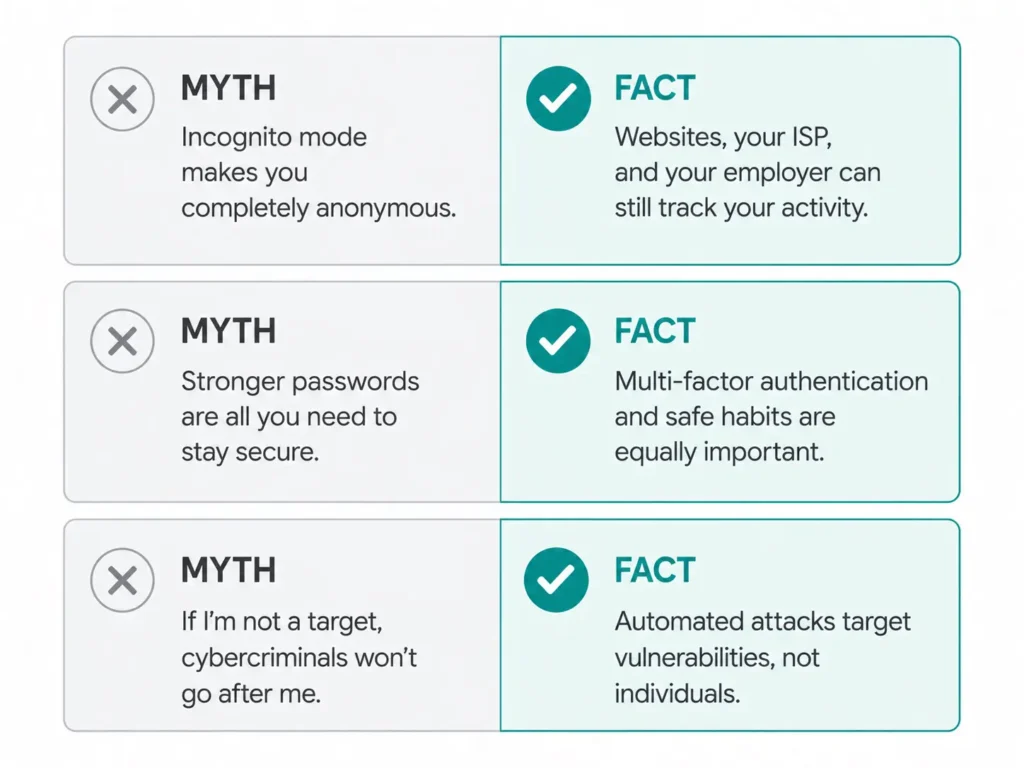
Myth: Droven.io is a cybersecurity vendor with its own detection technology.
Fact: It’s an editorial platform. There’s no evidence of a product, dashboard, or client deployment behind the “AI-powered threat detection” language used in some of its content.
Myth: The statistics cited are Droven.io’s own research.
Fact: They’re drawn from named third parties like IBM and Verizon. That’s not necessarily a problem — but it means the platform’s value is in summarization, not original data.
Myth: Reading Droven.io’s updates makes your organization more secure.
Fact: Awareness content changes what you know, not what you’ve configured. Security improvements require action — enabling MFA, patching systems, training staff — not just reading about why those things matter.
Frequently asked questions about Droven.io cybersecurity updates
Is Droven.io a real cybersecurity company?
It presents itself as an information and education platform focused on technology topics, including cybersecurity — not a security vendor with its own product or client base.
Does Droven.io sell security software?
No evidence of a security product for sale has been found. Its content is educational and doesn’t push a specific tool.
How often are Droven.io’s updates published?
Publication cadence isn’t publicly documented in a way that can be independently verified.
Where does Droven.io get its statistics?
Its cybersecurity content references established third-party sources, including NIST, CISA, OWASP, and IBM’s security research.
Is Droven.io a reliable source for threat news?
It’s reasonable as a plain-language summary of themes already covered by more established sources, but it shouldn’t be your only or primary source for time-sensitive threat information.
Who writes Droven.io’s cybersecurity content?
Authorship isn’t disclosed on the content associated with the platform, which limits how much expertise can be verified.
What’s the difference between Droven.io and CISA alerts?
CISA issues official, government-backed advisories tied to specific vulnerabilities and incidents. Droven.io’s content is general commentary aimed at a broad, non-technical audience.
Should businesses rely on Droven.io alone?
No. It can supplement awareness, but organizations need primary sources, industry-specific compliance guidance, and a real security program — not a single educational blog.
Bottom line on Droven.io’s cybersecurity updates
Droven.io’s cybersecurity content works reasonably well as a plain-language on-ramp for people who aren’t security specialists — it names real concepts, borrows from credible frameworks, and doesn’t try to sell you anything in the process. What it isn’t is a primary source, an audited authority, or a substitute for the specific, actionable guidance a real security program requires. Read it the way you’d read any unsigned explainer: useful for orientation, not for decisions.
Related reading: see our full guide on what Droven.io is for more on the platform beyond its cybersecurity content.


